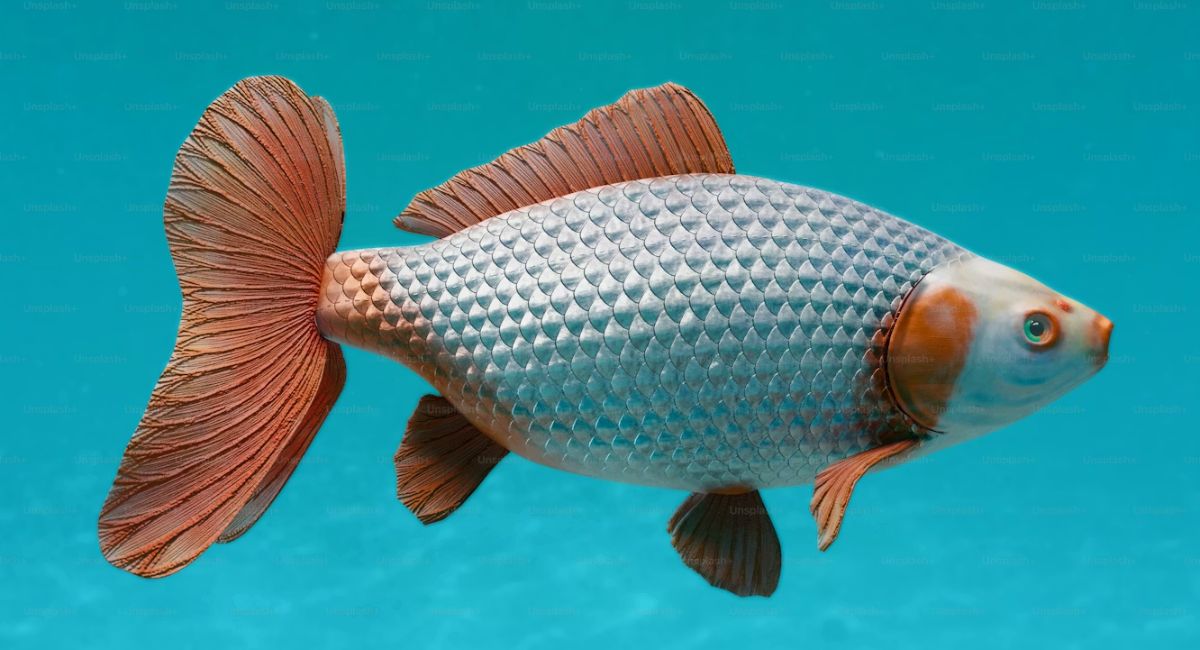
A goldfish turning black can be surprising and worrying, especially when it happens suddenly. This color change is not always a bad sign, but it is never random. It usually reflects changes in health, stress levels, or the tank environment. Understanding why it happens is important for keeping your goldfish healthy. In this article, you’ll learn the real reasons behind black coloring and what you can do to prevent it.
Common Reasons Goldfish Turn Black
Goldfish change color for several clear reasons. Black coloring is usually a response to their environment, health, or natural biology. Below are the most common causes explained in detail.
1. Ammonia Burns and Poor Water Quality
One of the most frequent reasons is ammonia exposure. When waste builds up in the tank, ammonia levels rise. This burns the fish’s skin and gills. As the fish heals, black patches often appear. These marks are similar to scabs and usually mean the fish is recovering, not getting worse.
2. Stress From Tank Conditions
Stress can trigger dark coloration. Causes include overcrowding, sudden temperature changes, loud vibrations, or aggressive tank mates. Stress weakens the immune system and can lead to visible color changes, including black areas.
3. Natural Color Changes With Age
Some goldfish naturally darken as they grow. Juveniles often change color as they mature. Certain varieties are genetically prone to developing black or dark patches over time. This change is harmless and permanent.
4. Healing From Injury or Disease
After injuries, infections, or parasite treatment, black spots may appear during recovery. This is common after fin damage or mild bacterial issues. In these cases, black coloration is often temporary.
5. Poor Diet and Nutrition Issues
Low-quality food or an unbalanced diet can affect pigmentation. Goldfish need proper nutrients to maintain stable coloration. Long-term nutritional stress may lead to dull or darkened colors.
6. Lack of Oxygen and Weak Filtration
Poor circulation and low oxygen levels put strain on goldfish. This stress can lead to color changes. Weak filtration also increases waste buildup, which worsens the problem.
7. Environmental Shock
Sudden changes in water chemistry, temperature, or lighting can shock a goldfish. This shock may trigger temporary black coloration as the fish adjusts.
Stress, Aggression, and Tank Dynamics
Stress is a major factor behind black coloration in goldfish. Even when water quality is acceptable, ongoing stress can cause visible changes in behavior and appearance.
Tank Mate Aggression
Goldfish are generally peaceful, but problems arise when tank mates are incompatible or space is limited. Chasing, fin nipping, or constant competition for food increases stress. Subordinate fish often darken in color as a response to long-term pressure.
Overcrowding and Limited Space
Goldfish produce a large amount of waste and require more space than most beginners expect. When too many fish share a small tank, stress levels rise quickly. Poor swimming space restricts natural movement and leads to chronic anxiety.
Lack of Environmental Stability
Frequent changes to the tank, such as rearranging decorations or moving fish between tanks, disrupt a goldfish’s sense of safety. Goldfish rely on stable surroundings. Repeated disruption can trigger stress-related color changes.
Noise, Vibration, and External Disturbance
Goldfish are sensitive to vibrations. Loud music, tapping on the glass, or placing the tank near heavy foot traffic can cause constant stress. This invisible pressure often shows through darkening colors.
Social Stress and Hierarchy
Goldfish form loose social structures. When dominance is challenged, stress responses may occur. Younger or weaker fish often display darker patches during these periods.
Stress Weakens the Immune System
Long-term stress lowers immunity, making goldfish vulnerable to disease. Black coloration can appear alongside lethargy, appetite loss, or unusual swimming patterns.
Reducing stress requires proper tank size, compatible tank mates, and a calm environment. When stress levels drop, goldfish often regain normal behavior and healthier coloration.
How write detailed content for section 4 of the outline
Health Issues and Illness Indicators
Black coloration can be an important warning sign of underlying health problems. While some dark marks indicate healing, others point to disease or physical damage that needs attention.
Ammonia and Chemical Damage
Exposure to harmful chemicals such as ammonia or nitrites can injure a goldfish’s skin and gills. As damaged tissue heals, black patches often form. These marks usually appear alongside rapid breathing, clamped fins, or gasping near the surface.
Bacterial and Fungal Infections
Certain infections cause darkening of the skin, especially when left untreated. Bacterial infections may begin as red or inflamed areas that later turn black. Fungal issues can also stress the fish, leading to abnormal coloration.
Parasites and External Irritation
Parasites irritate the skin and weaken the fish. Scratching against tank objects, flashing, or erratic swimming often occur before color changes appear. Black spots may develop as part of the healing process after treatment.
Internal Illness and Organ Stress
Problems affecting internal organs can influence skin color. Poor digestion, swim bladder disorders, or prolonged illness may result in darker pigmentation, especially when combined with lethargy.
Injury From Decorations or Tank Mates
Sharp décor, rough gravel, or aggressive tank mates can cause wounds. As injuries heal, black marks may form temporarily. These marks usually fade once the tissue fully recovers.
When to Be Concerned
Black coloring paired with loss of appetite, isolation, or rapid decline suggests a serious issue. In these cases, testing water parameters and isolating the fish is essential.
Recognizing health-related color changes early can prevent permanent damage. The next section explains how new environments and relocation can also trigger black coloration.
How write detailed content for section 5 of the outline
New Goldfish and Adjustment Problems
Goldfish often turn black shortly after being introduced to a new environment. This change is usually linked to adjustment stress rather than permanent health damage.
Relocation and Transport Stress
Moving a goldfish from one tank to another is stressful. Changes in temperature, lighting, and water chemistry force the fish to adapt quickly. During this period, black patches may appear as a stress response.
Rescued or Rehomed Goldfish
Goldfish taken from poor conditions often arrive with hidden damage. Ammonia burns, malnutrition, or untreated illness may not be visible at first. As the fish begins to heal in better water, black marks can develop.
New Tank Syndrome
A newly set-up tank often lacks beneficial bacteria. This leads to unstable ammonia and nitrite levels. Goldfish placed in an uncycled tank are especially vulnerable, and black coloration may appear within days.
Improper Acclimation
Skipping slow acclimation can shock a goldfish. Sudden shifts in pH or temperature stress the body and may cause rapid color changes. Proper acclimation reduces this risk.
Behavior Changes During Adjustment
New goldfish may hide, eat less, or swim erratically. These behaviors often occur alongside color changes. As the fish settles in, both behavior and coloration usually improve.
Temporary vs. Long-Term Changes
Most adjustment-related black coloring fades once the fish adapts. If the color spreads or darkens, it may signal ongoing stress or poor tank conditions.
Understanding adjustment issues helps prevent unnecessary panic. The next section focuses on tank setup and water maintenance, which play a major role in long-term color health.
Conclusion
A goldfish turning black is a sign that something has changed, not something to ignore. In many cases, it reflects stress, healing, or natural adjustment rather than permanent harm. By maintaining clean water, providing enough space, reducing stress, and watching for health issues, most color changes can be prevented or reversed. Careful observation and consistent care are the key to keeping your goldfish healthy, active, and vibrant over time.
Frequently Asked Questions (FAQs)
Why is my goldfish turning black suddenly?
Sudden black coloring is often caused by stress, poor water quality, or ammonia exposure. It can also appear during healing after injury or illness.
Is a black goldfish a sign of disease?
Not always. Black patches may indicate recovery rather than sickness. However, if the fish shows lethargy, loss of appetite, or abnormal swimming, illness is possible.
Will the black color on my goldfish go away?
In many cases, yes. If the cause is stress or healing, the black color often fades once conditions improve. Genetic color changes may be permanent.
Can dirty water cause goldfish to turn black?
Yes. Poor water quality and high ammonia levels are among the most common causes of black discoloration in goldfish.
Do goldfish change color naturally as they grow?
Yes. Many goldfish change color with age. Some develop darker patches as part of their natural growth process.
Should I separate a goldfish that is turning black?
If aggression, illness, or stress is suspected, separating the fish can help. Always test the water first before making changes.
How can I prevent my goldfish from turning black?
Maintain proper tank size, clean water, stable temperature, compatible tank mates, and a balanced diet.
When should I be worried about black spots on my goldfish?
You should be concerned if black coloration spreads quickly or appears alongside severe behavioral or physical changes.